
When you need more than just EMI shielding— Maximizing Performance with Combo Form-In-Place Gaskets
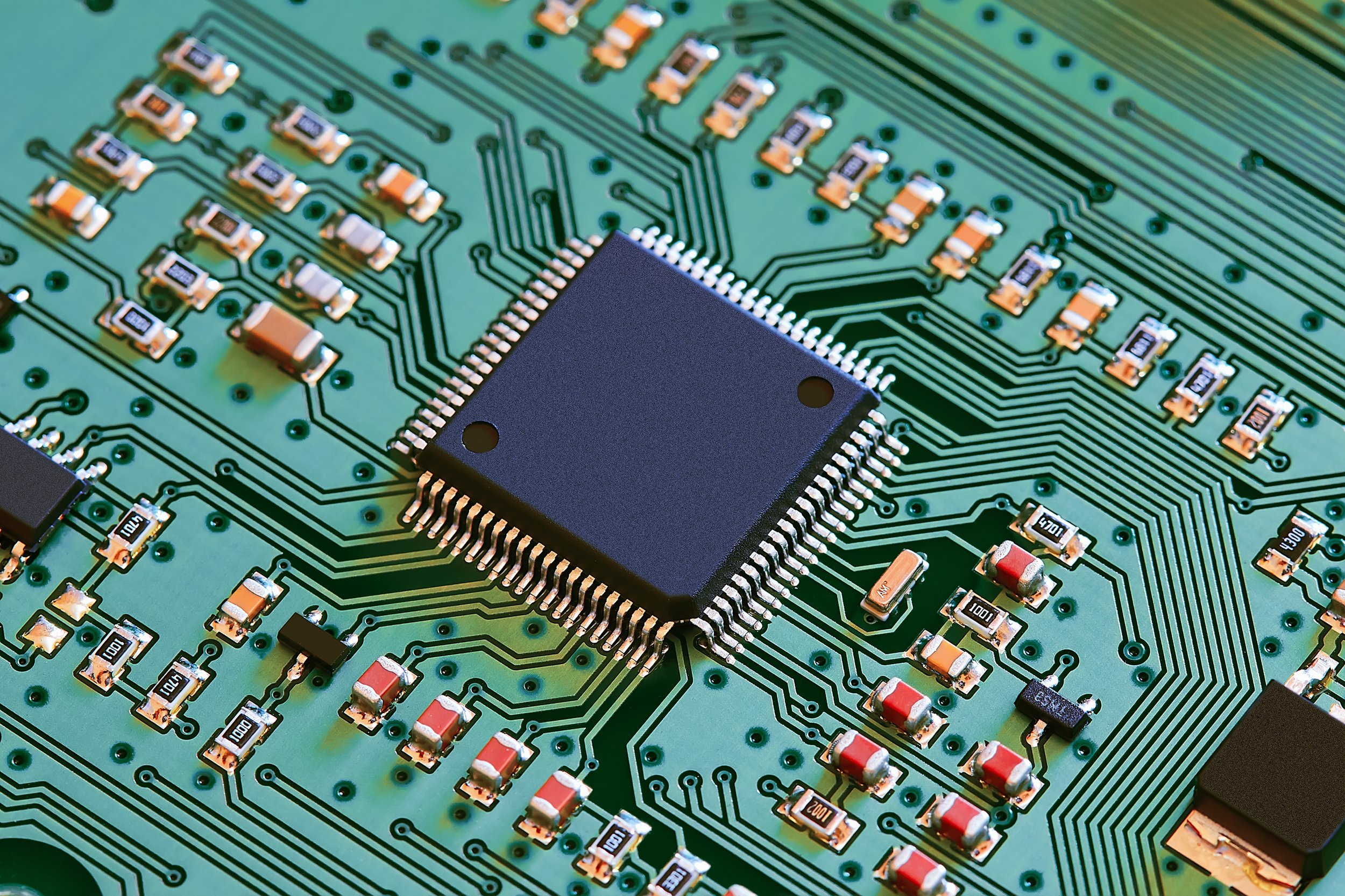
As electronic systems become smaller, faster, and more power-dense, engineers face increasing pressure to control electromagnetic interference (EMI), manage heat dissipation, and ensure long-term environmental protection — often within the same enclosure. Traditional approaches relying on multiple single-function materials add complexity, increase assembly time, and consume valuable space.

Design Challenges in Modern Electronics
Today’s electronics design must simultaneously solve three core problems:
Reliable EMI shielding to maintain signal integrity and meet regulatory standards
Effective thermal pathways to prevent overheating and extend component life
Environmental sealing to protect against moisture, dust, vibration, and temperature cycling
Engineers traditionally addressed these needs with distinct components: conductive gaskets for EMI, thermal pads or gap fillers for heat, and separate environmental seals. This multi-component approach adds cost, assembly complexity, and spatial overhead.
TennMax’s Form-in-place (FIP) gasket materials such as F7101 and F9304 offer integrated solutions that address these challenges efficiently and reliably across a wide range of industries.

F7101, also known as the MaxTEC™, is a thermally and electrically conductive form-in-place gasket material designed for applications where EMI control and heat transfer are both critical. Its key capabilities include:
Reliable electrical conductivity to create low-impedance shielding paths across seams or joints.
Enhanced thermal conduction to transfer heat out of densely packed electronics.
Its ability to blend these functions simplifies assemblies by reducing part count and eliminating the need for separate thermal and conductivity solutions, particularly in tight packaging challenges.

F9304, also known as the MaxEEC™, is a conductive form-in-place gasket optimized for applications requiring EMI shielding and robust environmental sealing, without a primary need for thermal conduction. Its key capabilities include:
Stable electrical conductivity across enclosure interfaces
Strong resistance to moisture, dust, vibration, and thermal cycling
Low compression force suitable for delicate or space-constrained assemblies
Precise, form-in-place application for consistent sealing performance
Advantages Over Conventional Gasket Solutions
Compared to traditional single-function or pre-formed gasket materials commonly used in the industry, F7101 and F9304 offer the following advantages, which translate into improved reliability, reduced manufacturing cost, and greater design flexibility:
Functional Consolidation
Fewer materials required to meet EMI, thermal, and sealing needs
Improved Conformability
Consistent performance on irregular or complex surfaces
Reduced Assembly Complexity
Fewer parts mean fewer installation steps

Enhanced Durability
Long-term performance under harsh environmental conditions
View FIP selection guide to learn more.
Design Considerations and Best Practices
To get the most out of these materials:
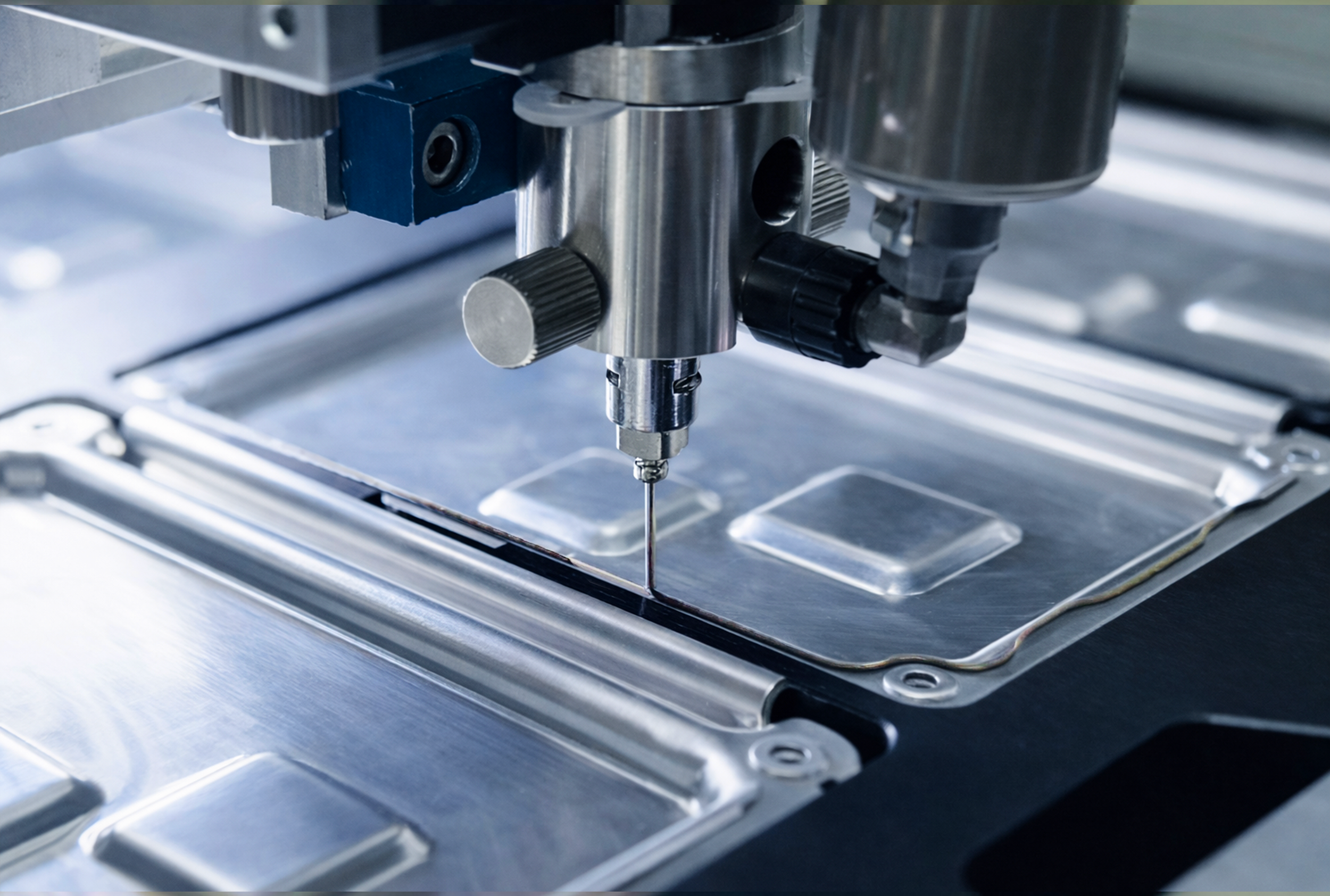
Plan bead geometry carefully: Ensure gasket bead cross-sections are designed for expected gap variations.
Optimize cure conditions: Proper curing ensures peak electrical, thermal, and mechanical properties.
Balance material properties with design needs: Tailor placement based on where conductivity, thermal transfer, or sealing is most critical.
Conclusion
As electronic systems continue to evolve, integrated materials play a critical role in meeting performance and reliability demands. F7101 and F9304 provide versatile, form-in-place solutions that simplify enclosure design while delivering dependable EMI shielding, thermal management, and environmental sealing.
By reducing part count and improving consistency, these materials help engineers design smaller, more efficient, and more reliable electronic systems across aerospace, automotive, telecommunications, medical, and industrial markets.
Contact us at Sales@TennMax.com to explore how our Combo Form-In-Place solutions can support your product’s performance and longevity.